Game day
College Baseball Rain Delays, Postponements, and Cancellations Explained
By Baseball Schedule Editorial Team · Published · Updated
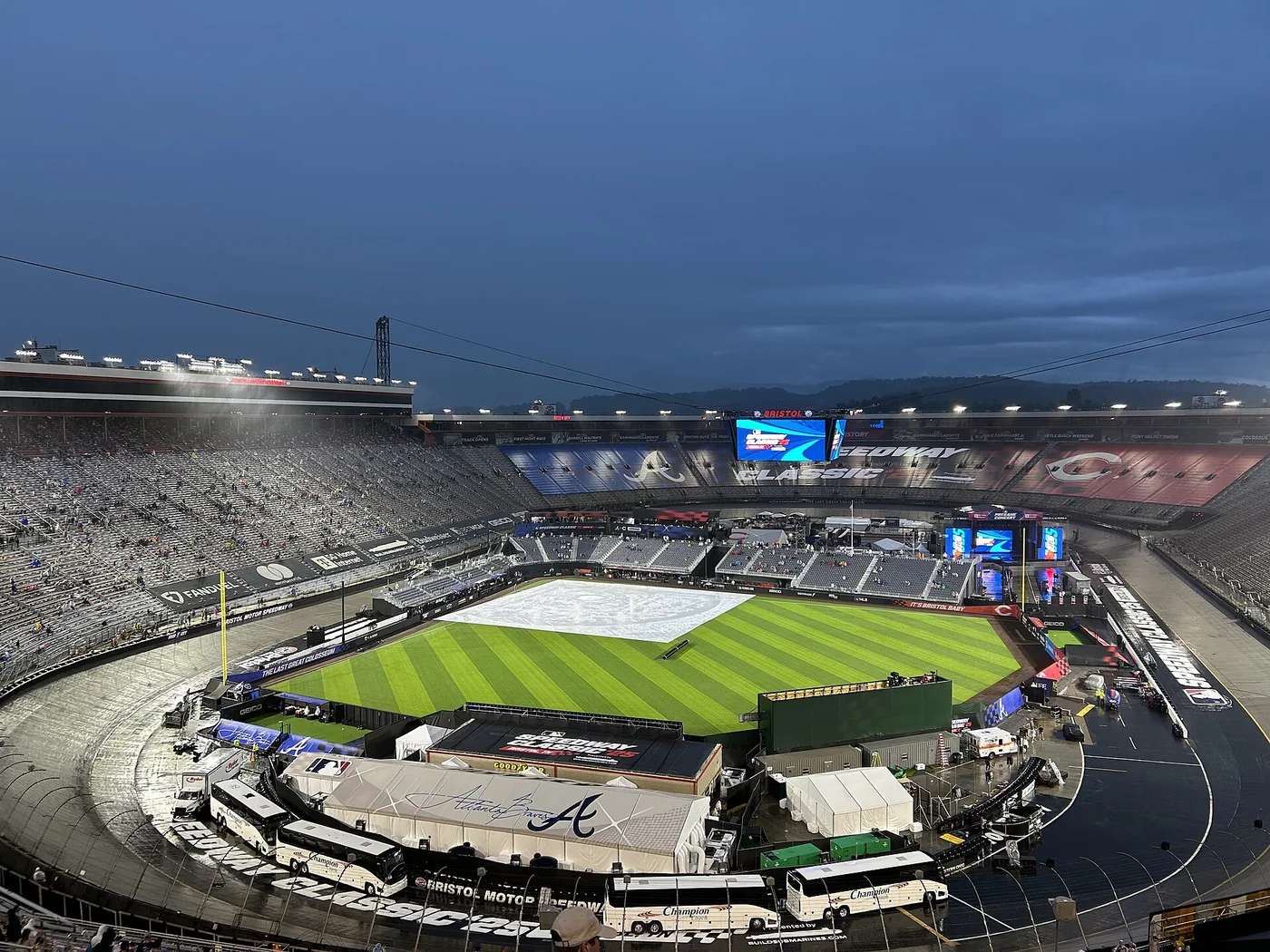
The sky looks uncertain, your ticket is on the phone, and the calendar still shows the original first pitch. Is the game delayed, postponed, canceled, or simply waiting for another update? College baseball weather announcements can be confusing when those words are treated as though they mean the same thing.
They describe different situations, and the practical consequences depend on the host's current notice, the competition's rules, and the ticket terms. A general guide can explain the questions to ask, but it cannot replace the official decision for a particular game.
This article focuses on what fans should do before traveling, while waiting, and after a schedule change. It avoids promising a universal refund rule or a fixed amount of time after which every game must resume. Weather and field conditions are specific to the event, and the people operating it have information a distant viewer may not possess.
Check the host before checking the rumor
Begin with the host athletics department's current schedule, news page, and official game-day updates. For a neutral-site event, include the organizer. Those sources are better placed to describe the venue's condition and the current plan than a general weather forecast or an unverified social post.
Look at the time of the announcement as well as its wording. An earlier notice may have been accurate when published but superseded by a later one. A screenshot circulating in a group chat can remain persuasive after the host has changed the plan.
If the visiting school's page and the host's notice differ, check which was updated most recently. Do not assume the disagreement means nobody knows what is happening. Large websites and calendar feeds do not always update every linked item simultaneously.
A delay means the timetable is unsettled
A delay generally means the game has not begun or resumed at the expected time while conditions are assessed. It does not by itself establish a new first pitch or prove that play will happen that day. Read the actual notice for the information the host has confirmed.
Avoid converting a phrase such as “next update” into a promised start. The time an organizer plans to communicate again is not necessarily the time the teams will take the field. Keeping those ideas separate prevents unnecessary trips back to seats or repeated frustration with an apparently missed deadline.
If you are watching from home, a quiet video feed may reflect the delay rather than a technical problem. Check the host's update before repeatedly resetting the television or purchasing another subscription because the screen has not shown baseball yet.
A postponement changes the original appointment
A postponement means the original scheduled game will not proceed as initially planned, but the next step can vary. The host may announce a new date immediately, describe a revised series, or say that a rescheduling decision will follow later.
Do not invent the replacement date by looking for an empty space in the calendar. Teams, venues, travel, and competition requirements all affect the decision. A date that appears convenient to a fan is not automatically available to the people organizing the game.
When the new plan is announced, read whether it changes one game or the entire weekend. An earlier first pitch, an added doubleheader, or a different daily sequence can affect tickets, viewing links, and transport arrangements in different ways.
Cancellation is a separate outcome
A cancellation indicates that the event will not take place as scheduled, but the announcement should be read alongside any explanation of whether it will be made up. Do not assume every canceled game automatically returns later in the season.
Likewise, do not assume the word canceled settles the ticket question. The seller's and host's terms determine what happens to the purchase, and those terms may differ between an individual ticket, a package, and a neutral-site session.
Keep the official notice and your order information together. If you need to contact the seller, the exact event, purchase type, and announcement make the conversation clearer. A general claim that the weather was bad is less useful than the actual decision affecting your ticket.
Field conditions matter as well as the forecast
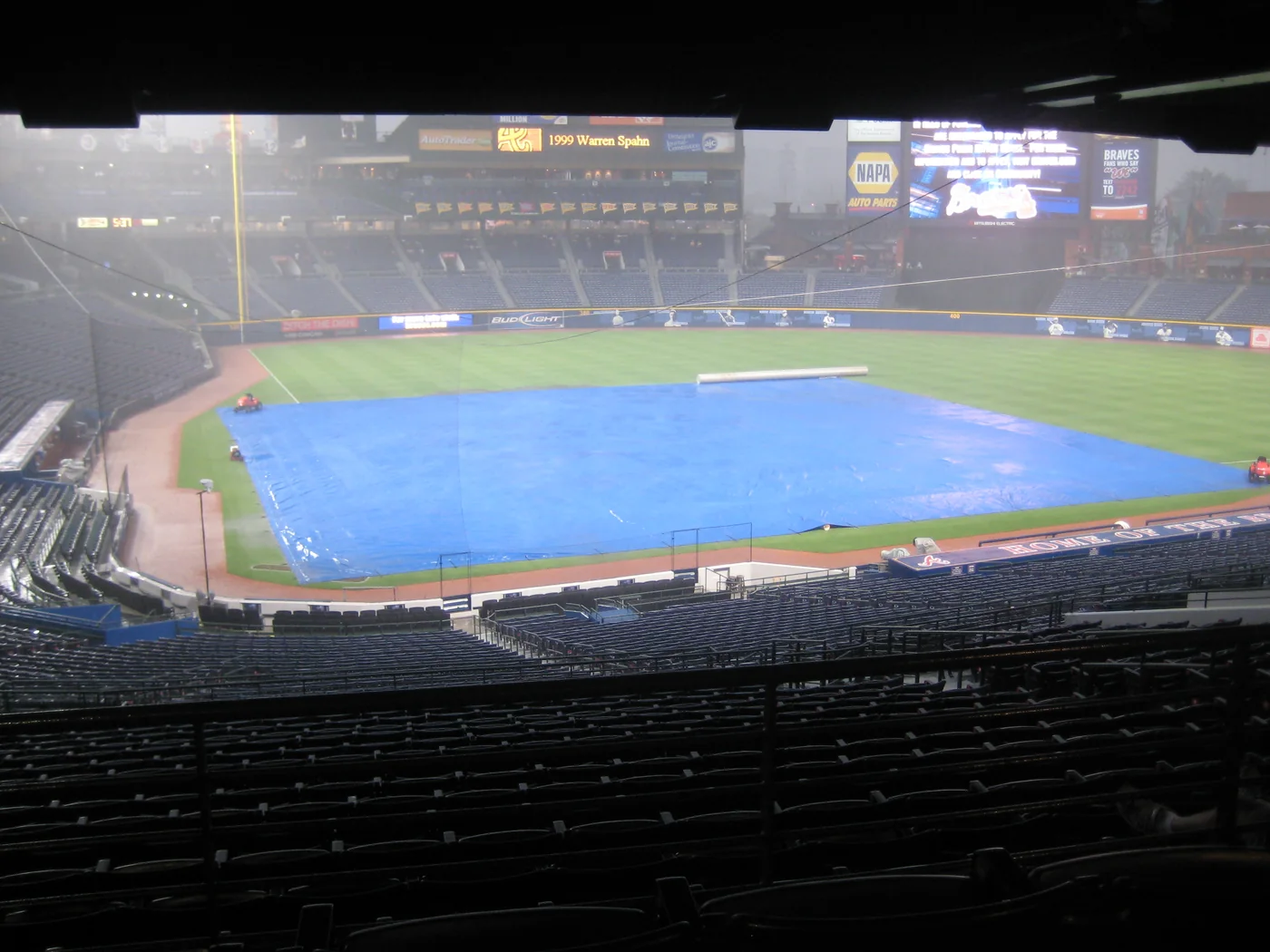
Rain at the moment you look outside is only one part of the situation. Earlier precipitation, drainage, maintenance work, and the condition of the playing surface can affect when baseball is safe and practical. A clear patch of sky does not automatically establish that the field is ready.
The reverse is also true: a forecast mentioning rain does not necessarily mean the game has been called off. Forecasts describe possibilities, while an official notice describes the event's current decision. Keep those roles separate when communicating with friends.
Respect venue and staff instructions during a disruption. If spectators are directed away from an area or asked to follow a shelter procedure, do so. A fan's desire to preserve a seat is not a reason to ignore the people responsible for operating the facility.
Update every part of your personal plan
Once a change is confirmed, revise the calendar event, not just the message in your group chat. Old phone reminders can continue to trigger at the original time, creating confusion later when people no longer remember which version of the plan was current.
Keep the official source link in the calendar notes. If the replacement time is still unannounced, say so clearly. Avoid putting an arbitrary hour into the event merely to make the entry look complete.
If you subscribed to an official calendar feed, allow for refresh behavior and check the actual source when the game is close. If you imported a file or created the event manually, you may need to maintain it yourself. Our calendar guide explains that difference.
Doubleheaders create several practical questions
When a weather change produces a doubleheader, confirm the order of games, the announced starts, and the admission arrangement. Do not assume the same ticket covers both contests or that two separate purchases are necessarily required. The current event notice should explain the relevant terms.
For viewers, check whether there are separate broadcast event pages. The second game can be easy to miss if the first listing ends and the service organizes the next contest under a different card. Save both official links when they are available.
For families attending, plan for a longer outing and read any re-entry policy. Food, breaks, clothing, and the needs of the group matter more when the day extends beyond the original single-game plan. A revised schedule should produce a revised practical plan too.
Do not confuse a suspended game with a fresh start
If play has already begun and the host announces that it will continue later, read the notice carefully for how the game is being handled. The competition's current rules and the circumstances determine the official status, not a casual assumption that every interrupted game restarts from the first inning.
Use the official scoring record and the host's explanation to understand what carries forward. A partial score on an app may not tell you whether the game is final, paused, or awaiting a later decision. The status label matters as much as the runs displayed.
For the applicable playing-rule framework, consult the NCAA baseball rules resources. For the actual event decision, follow the host. A rule book and a game-day announcement answer different parts of the question.
Tickets and travel need separate attention
A ticket policy does not automatically cover your hotel, flight, or transport booking. Read each purchase's conditions separately. A game being moved may create several decisions, and each seller may have a different cancellation or change process.
If you are traveling, check the host's latest notice before leaving and again at a practical point before entering the venue area. Decide in advance how much uncertainty you are comfortable accepting when the forecast is unsettled.
Contact the relevant seller promptly if a confirmed change affects your plans. Keep the order number and official announcement available, and ask about the options under your actual purchase terms. Do not rely on an informal promise made to someone with a different ticket or booking.
Communicate the uncertainty clearly
When updating friends, distinguish what is confirmed from what you expect. “The host has postponed today's game; the replacement time is not announced” is more useful than a confident guess that everyone will probably play tomorrow.
Share the official link rather than only your interpretation. That lets others see later revisions without waiting for you to relay every update. It also reduces the chance that a shortened message loses an important condition or deadline.
Patience is easier when the information is organized. Keep the current notice, ticket details, and practical alternatives together. Then you can decide whether to wait, change the day's plan, or return for a rescheduled game without repeatedly starting the research again.
A reliable weather-day routine
Check the host, read the status precisely, verify the latest update time, and revise the calendar only when the new plan is confirmed. Review ticket and travel terms separately, and keep a dependable live-statistics or audio option available if you are following from elsewhere.
Our team directory helps you find official school references, while the ticket guide explains the purchase questions to settle before a change occurs. Good preparation cannot control the weather, but it can prevent uncertainty from becoming avoidable confusion.