Game day
College Baseball Rivalries: Games Worth Planning a Weekend Around
By Baseball Schedule Editorial Team · Published · Updated
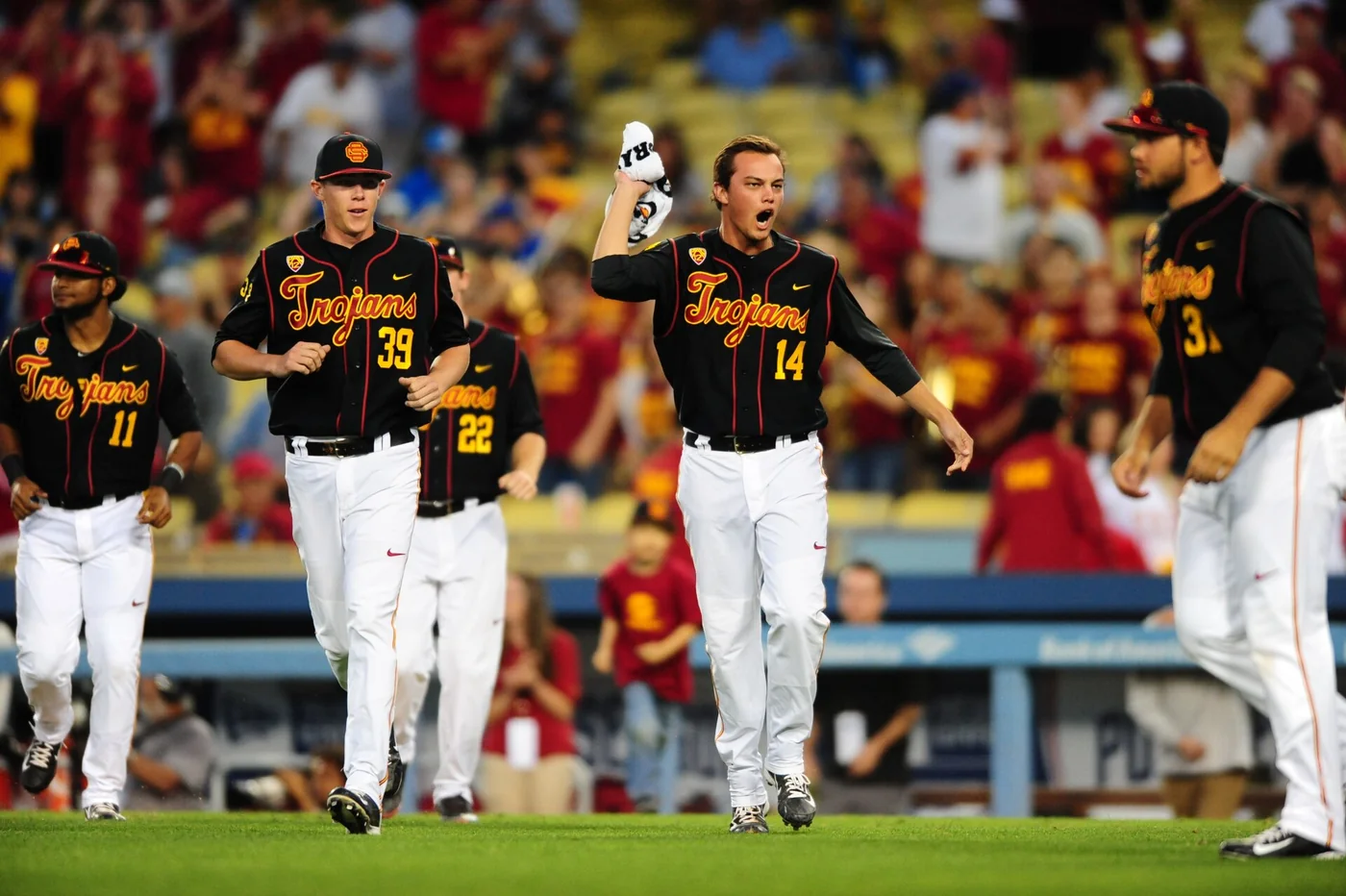
A rivalry game is often the easiest way to explain why college baseball matters to someone who has never followed a full season. The uniforms are familiar, the crowd recognizes the opponent, and ordinary moments can carry a little more noise. Yet a good rivalry weekend still begins with the same practical question as any other trip: is the game actually confirmed, and where is it being played?
This guide is a way to choose rivalry baseball worth planning around, not an invented 2027 fixture list. A historic pairing does not guarantee a particular meeting this spring. Use the schools' current schedules to establish the date, venue, and classification of each game before treating it as an appointment.
Some rivalries come from conference competition, some from geography, and others from repeated postseason meetings or a long shared history. The best one for you may be a national talking point or a local game you can reach after work. Both can provide an excellent baseball experience.
Start with the reason a matchup matters
Ask what makes the pairing interesting beyond the names. Do the schools share a region? Do supporters know people on the other side? Have the programs met repeatedly in meaningful games? Understanding the reason gives a newcomer something more useful than a claim that everybody hates everybody else.
You do not need to exaggerate the emotion to appreciate it. Rivalry atmosphere can be lively, humorous, and deeply familiar without every inning becoming a statement about an institution's entire identity. The baseball itself should remain part of the attraction.
If you are bringing a friend, explain a few concrete details before the game: where the schools are, how often they meet, and whether this contest is part of a series. A little context makes the crowd's reactions easier to understand.
Geography can create the most practical rivalry trip
Nearby programs can offer the kind of game you can attend without turning the outing into a major holiday. That accessibility matters. A rivalry you can actually see may be more rewarding than a famous matchup that requires an expensive and hurried journey.
Geography also creates mixed groups of supporters. Friends, relatives, coworkers, and alumni can share the trip while backing different teams. Agree on the basic plan in advance so the friendly competition does not become confusion over tickets, parking, or where to meet afterward.
Check the actual venue even when the schools are close. Some rivalry games may use a special site or alternate between parks. The official event row should establish where you need to go rather than an assumption based on the pairing alone.
A conference rivalry has a season around it
When rivals meet in conference play, the series sits inside a larger league calendar. That can add interest, but it should not encourage you to declare the standings decided before the games occur. The eventual importance depends on the season developing around the weekend.
Follow the whole series if you can. Repeated meetings allow adjustments, and the emotional tone can change after the opener. A team that loses the first game may respond well; a team that wins comfortably still needs to solve the opponent again.
Read the current conference context rather than importing another sport's assumptions. Baseball's schedule, qualification procedures, and tiebreakers may differ from football or basketball. Familiar school names do not make every competition follow the same structure.
Nonconference rivalries deserve their own attention
A local or historic rivalry can remain appealing even when it is not a league game. The date may sit midweek or use a format different from a conference series. That difference affects how fans attend and how the teams may distribute opportunities.
Do not dismiss the game simply because it is outside conference play. Equally, do not assume it will use the same pitching plan as a weekend series. Read current team information and let the actual contest establish its own character.
For an attending fan, a nonconference rivalry can provide a useful alternative to a crowded travel weekend. Check the separate ticket terms and first pitch. The practical advantages may be part of what makes the game worth choosing.
Confirm the current meeting before repeating the history
A rivalry article can become misleading when it describes a famous pairing and quietly assumes that a 2027 game must follow. Confirm the current schedule first, then add the historical context. The order prevents a good story from becoming a false event listing.
If the meeting has not been announced, say so. You can still discuss why the pairing interests fans without assigning it a made-up date. A watchlist of possible matchups and a list of confirmed fixtures are different products and should be labeled differently.
Check personnel with the same care. A player who defined an earlier rivalry game may no longer be on the roster. Use current official information before promising that a particular player or pitching matchup will be part of the next meeting.

Choose seats for the experience you want
A rivalry crowd can be part of the fun, but different groups will want different levels of noise and activity. Think about the people attending, the seating arrangement, and how comfortable everyone will be over several hours.
Use the host's seating chart and current policies. If accessibility, shade, or easier access to facilities matters, ask the official ticket office rather than relying on an informal description of a section. A seat's reputation does not answer every practical question.
Buy the correct event and read the delivery requirements. Popular games can encourage hurried decisions, which is exactly when the date, venue, and ticket unit deserve another check. A good atmosphere is not much help if the purchase was for the wrong session.
Keep the support lively and respectful
Rivalry baseball works best when the competition stays focused on the field and the shared experience. Cheer, enjoy the traditions, and expect the other side to respond. That does not require making the visit unpleasant for families, staff, or supporters around you.
If you attend with a mixed group, agree that the result will not derail the rest of the day. It sounds simple, but a shared meal or journey is more enjoyable when everyone can separate disappointment about a game from the people they came with.
Follow the venue's conduct rules and the staff's instructions. Being an enthusiastic visitor is compatible with being a considerate one. The aim is to leave with a memorable baseball story, not a dispute that had little to do with the sport.
Watch the tactical response beneath the noise
Rivalry atmosphere can make a routine play feel enormous, but the baseball still rewards attention to detail. Notice strike throwing, baserunning judgment, defensive communication, and the way a lineup responds after a difficult inning.
Those habits often explain more than the volume of the crowd. A team staying disciplined in a tense situation is worth watching, as is the way an opponent adjusts after seeing the same challenge again. The atmosphere adds meaning without replacing the actual work.
Avoid treating every error as a failure of courage or every hit as proof of permanent superiority. Baseball produces enough variation that one moment rarely explains the whole matchup. Enjoy the emotion while leaving room for a fair account of what happened.
Viewing from home can still feel like an event
Choose the confirmed game listing, check the service requirement, and set up the device before first pitch. If friends are coming over, make sure the account supports the viewing method you intend to use rather than assuming a phone feed will work on every television.
Keep the official live-statistics link available as a backup. A temporary video problem is less disruptive when you can still follow the inning and score. Use reliable updates rather than trying to reconstruct the game through scattered reactions.
If the series has several games, decide which ones you will watch live. Replays can help when schedules overlap, but check availability and spoiler settings first. A manageable plan is more enjoyable than trying to follow every rivalry in the country at once.
Build a rivalry watchlist that belongs to you
Choose one pairing with personal meaning, one local opportunity, and one matchup that introduces you to an unfamiliar program. That mix can make the season more interesting than a generic ranking of the loudest or most famous games.
Write down why each game appeals to you and attach the official schedule link. When the season changes, you can revisit both the practical details and the reason for the choice. Some weekends will become more compelling; others may no longer fit.
Use our team directory to reach the schools' official calendars and the schedule planner to compare available published dates. For ticket decisions, see the buying guide. The rivalry supplies the story, while accurate planning gives you the chance to enjoy it.
Does a rivalry need a long history to be interesting?
Not necessarily. Repeated recent meetings, nearby supporters, or a developing conference contest can give a matchup meaning before it accumulates decades of stories. Describe the reason accurately rather than inventing a historic feud. If your interest is personal, say that the pairing matters to your family or community instead of claiming universal significance. The most convincing rivalry writing gives readers concrete context and then lets the game provide its own drama.