Season planning
When Does College Baseball Start in 2027? Opening Weekend Guide
By Baseball Schedule Editorial Team · Published · Updated
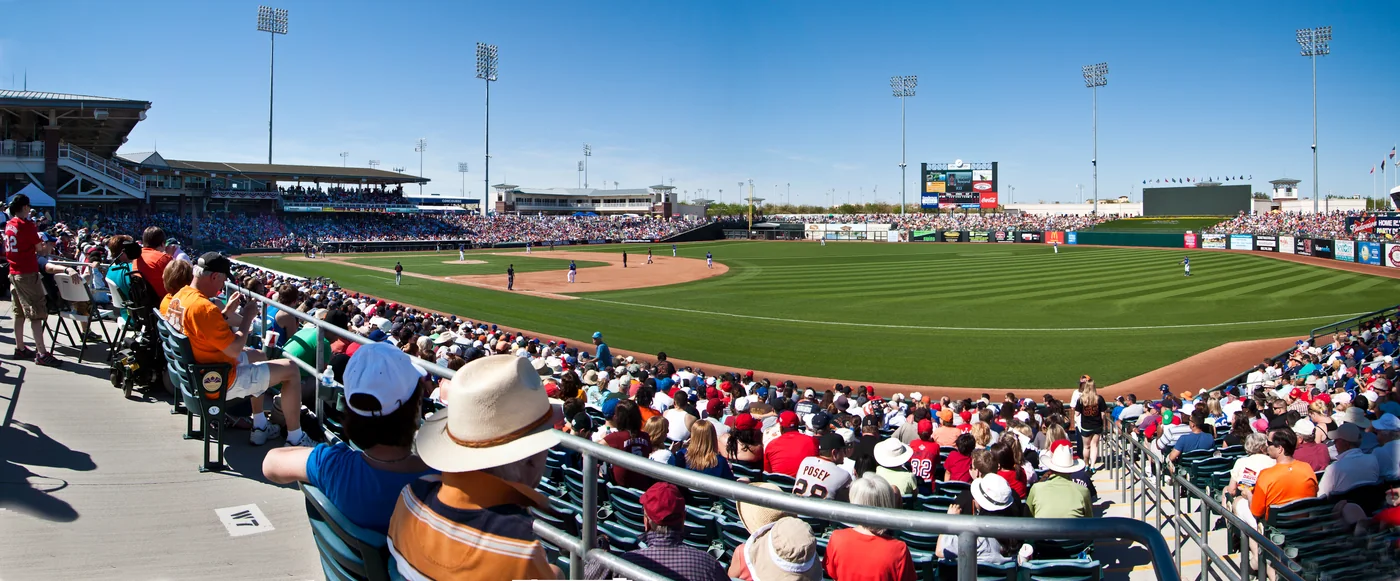
A college baseball calendar rarely arrives in one neat announcement. One school publishes its opponents, another releases only conference weekends, and a tournament organizer announces a field before anybody supplies television information. That is why asking when college baseball starts in 2027 requires a little more care than finding a date on a search result.
For fans following the announced Division I schedules discussed here, February 19–21 is an important opening weekend to watch. LSU has announced a February 19 start, and Nebraska has announced games in Surprise, Arizona, that weekend. Those school announcements establish their own plans. They should not be stretched into a claim that every college team, division, or exhibition follows exactly the same calendar.
The useful approach is to build a season plan in layers: first the date, then the opponent and venue, then the start time, and finally the viewing or ticket details. This guide explains how to do that without mistaking a preliminary calendar for a finished itinerary.
Start with the team you actually follow
Before comparing opening weekends, choose the program and competition you mean. NCAA Division I baseball, other NCAA divisions, junior colleges, NAIA programs, and college club teams do not share one interchangeable schedule. A broad search for college baseball opening day can mix all of them together.
Open the relevant team directory page, follow its official schedule reference, and make sure the season selector says 2027. Many athletics websites retain old calendars alongside the new one. A page displaying February games is not enough evidence by itself; check the year near the heading and the dates beside the opponents.
This matters especially during the fall. Schools sometimes place autumn exhibitions on the same page as the following spring season. An October scrimmage appearing above a February opener does not mean the regular season started in October. Read the event label, not just its position in the list.
What February 19 tells us—and what it does not
LSU's schedule announcement identifies February 19 as the Tigers' opening date. Nebraska's announcement places its opening trip at the College Baseball Series in Surprise on February 19–21. These are useful concrete examples because they connect a weekend to named teams and an identifiable venue.
They do not establish every first pitch. A tournament may have several games on the same day, and a team's opening date does not tell you which television service will carry it. Likewise, a Friday opener does not guarantee a conventional Friday-through-Sunday home series. Doubleheaders, neutral-site events, and travel arrangements can produce different patterns.
Treat an opening weekend as a planning window until your own game has a confirmed start time. That distinction is small when you are browsing from home and much larger when you are choosing a flight, booking a room, or arranging a babysitter.
Understand the four stages of a schedule release
The first stage is usually an announcement that a team will participate in an event or face certain opponents. At this point, you may know the city and the weekend but not the exact daily order. That information is useful for comparing possible trips, not for assuming a particular Friday matchup.
The second stage is a dated schedule. Opponents are assigned to individual days, and home, away, or neutral-site designations become clearer. This is when fans can begin building a calendar and comparing consecutive games. Still, a date with a TBA time remains incomplete.
The third stage adds start times and broadcast selections. Television windows can influence the shape of a series, while local conditions and venue operations affect individual games. The fourth stage is the in-season update: weather changes, revised doubleheaders, venue adjustments, or postponements. A good season plan leaves room for all four stages.
Build a calendar that survives updates
Save each game with the team names, the venue city, and the time zone. A calendar entry reading only “Baseball, 6 PM” will be difficult to interpret when you follow several teams or travel across state lines. Clear labels prevent errors that a pretty calendar cannot fix.
For games without a confirmed time, use an all-day reminder. Putting a made-up noon start into your phone may feel convenient, but it can become an apparently official appointment once you forget why you chose it. Include “time unannounced” in the event title until the school supplies a start time.
Keep the official schedule link in the event notes. That gives you one reliable place to check before leaving home. If you use the schedule planner, remember that imported entries describe the available source snapshot. Comparing those entries is helpful; checking the school's latest notice remains a separate step.
Opening weekend looks different at home and on the road
A home opener gives the school more control over familiar routines: parking instructions, ticket delivery, concession operations, and the ballpark's published policies. Even so, opening weekend can bring queues and unusual demand. Arriving early is sensible, particularly if it is your first visit to that venue.
An away opener adds a second athletics department to your research. The visiting school's schedule is useful for following the team, but the host is normally the better source for entry rules, seating, parking, and local weather announcements. Bookmark both rather than expecting the visiting team's page to answer every practical question.
A neutral-site opener adds the event organizer. Its daily session structure may not match a campus ticket system. A pass could cover multiple games, one session, or a particular seat only for a specified period. Read the actual product description before assuming that one purchase provides a full weekend of baseball.
Plan for February conditions without predicting the weather
Early-season college baseball can involve chilly evenings, wind, rain, or abrupt differences between daytime and nighttime temperatures. A sunny destination is not a promise of comfortable conditions for every inning. Check the actual local forecast close to your visit rather than relying on the city's general reputation.
Choose layers, check the ballpark's bag rules, and decide where you will wait if play is delayed. For families, the practical question is often less about the forecast high and more about whether everyone can remain comfortable through a long evening. Water, sun protection, and warm clothing can all matter on the same trip.
Build flexibility into departure plans. Baseball is not a timed appointment with a guaranteed finishing hour. Opening events with several scheduled games can also be affected by an earlier game running long. If your transport connection depends on the final out arriving at a particular minute, the itinerary is too tight.
How to follow television announcements
A schedule release and a broadcast release are different documents. Do not interpret an empty television column as proof that a game will not be shown. It may mean the school has not added a confirmed listing, the rights holder has not made its selection, or the event uses a separate streaming arrangement.
When a listing appears, copy the complete service name. ESPN, ESPN+, SEC Network, and SEC Network+ are not labels you can safely substitute for one another. The same care applies to conference networks and their digital offerings. Search for the exact event inside the named service before purchasing a subscription.
Our watching guide explains a conference-first approach. Use it to understand the choices, then verify the specific opener through the official event listing. A broad subscription recommendation should never replace checking the game you actually want to watch.
A realistic preseason checklist
Begin with three questions: Is this the correct season? Is the matchup confirmed? Is the venue identified? If those answers are clear, save the date and keep the source link. If the start time is missing, leave it missing rather than filling the gap with an assumption.
Next, separate decisions you can make now from decisions that should wait. You can compare possible destinations, check general hotel locations, and ask friends which weekend works. You may need to wait before choosing a nonrefundable itinerary, purchasing a narrowly timed transfer, or deciding which streaming plan is necessary.
Finally, schedule one more check close to the event. That small habit catches many avoidable mistakes: an adjusted series opener, a newly announced afternoon start, a venue change, or a game that moved because of weather. The best calendar is the one you are willing to update.
The answer to keep in mind
February 19–21 is a useful 2027 opening-weekend reference for the announced LSU and Nebraska examples. Your own team's official schedule is the authority for its first regular-season game, and the host or organizer supplies the final practical details for attending.
Start with the confirmed date, keep uncertain details clearly labeled, and let the plan become more specific as announcements arrive. You will enjoy opening weekend more if your preparation is accurate than if your calendar simply looks complete months in advance.
Sources and useful next steps
Consult the LSU schedule announcement, the Nebraska schedule announcement, and your team's official athletics calendar. Browse our 2027 schedule directory to compare the published information available for different programs.
What should I save when a schedule is first announced?
Keep the release date, the official link, and a short note identifying which details are confirmed. That record helps you distinguish a genuine revision from a mistake in your own notes. If you share the schedule, include the year and source so another fan can verify later changes without relying on the original screenshot.