Season planning
College Baseball Tournaments in February 2027: Dates, Teams, and Venues
By Baseball Schedule Editorial Team · Published · Updated
February college baseball tournaments can be some of the most enjoyable weekends on the calendar. Several teams share one venue, unfamiliar matchups appear in quick succession, and a fan can see far more variety than a normal home series offers. The planning is slightly more complicated, though, because an event has its own schedule, tickets, and operating rules.
For 2027, begin with announced events rather than treating every circulating tournament list as complete. A school agreeing to participate is different from an organizer publishing the final game order. The right guide keeps those distinctions visible and helps readers understand what can be planned now and what still needs confirmation.
This article explains how to compare February events, with the announced Surprise opening weekend as a concrete example. It is a planning guide, not an invented full tournament slate. Use the organizer's current schedule for the final daily matchups and start times.
What makes a tournament different from a weekend series
A traditional weekend series generally asks one team to solve the same opponent across several games. A multi-team event can ask a staff to prepare for a different opponent each day. For fans, that means more styles, uniforms, and unfamiliar players within one trip.
The word tournament can also be misleading if you assume it always means a bracket with a championship game. Some college baseball showcases use a predetermined schedule instead. Teams may play several opponents without advancing through knockout rounds, so read the event format before expecting a final.
That format affects your choice of tickets and travel dates. If the matchup order is fixed, you can plan around specific games. If advancement affects later pairings, part of the weekend remains conditional. Neither format is inherently better; they simply offer different experiences.
Start with the organizer's announcement
The event organizer is the main source for the complete field, venue, and daily program. A participating school's announcement can confirm its involvement, but it may not describe every game, every ticket option, or every operational detail affecting visitors.
Save the event page and note when you checked it. If you share the schedule with friends, share the source link as well. A copied image can remain in a group chat after the organizer has revised the times, leaving everyone confident about information that is no longer current.
Look for explicit statements about time zones. Arizona events are a good reminder that fans should read the published zone rather than casually translating a western destination into their own assumptions. Enter the stated venue time correctly before converting it for home viewing.
The announced Surprise weekend provides a useful model
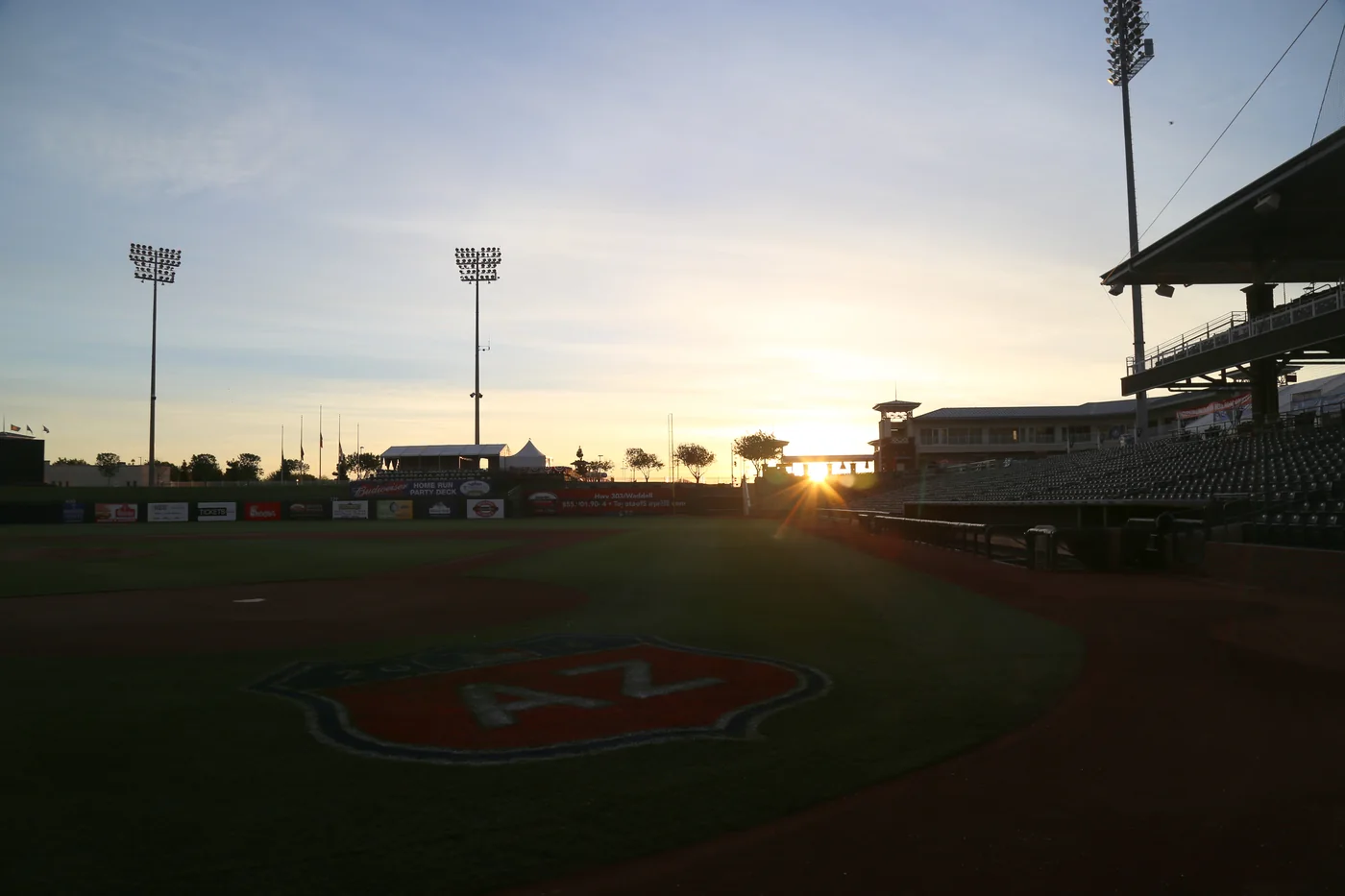
Nebraska's 2027 announcement identifies opening games against UC Santa Barbara, Oregon State, and Vanderbilt at the College Baseball Series in Surprise on February 19–21. Those named opponents and dates provide a clear example of the variety a neutral-site weekend can offer.
For a Huskers fan, the trip combines team support with the chance to see several other programs. For a general baseball fan, it offers a concentrated viewing experience that does not depend on following one conference. The appeal comes from the combination, not from pretending every matchup carries the same competitive meaning.
Use the school's release for Nebraska's participation and the Surprise Stadium announcement for the organizer's event details. Reading both is more dependable than expecting either page to answer every question alone.
Compare fields with your own interests in mind
A field full of recognizable brands may be appealing, but recognition is not the only reason to choose an event. You may care more about seeing a nearby team, watching different conferences, visiting a particular ballpark, or attending with friends whose schedules overlap that weekend.
Consider how many meaningful games your ticket and travel window would actually allow. A prestigious field is less useful if your arrival misses the matchup you most want to see. A quieter event can be the better choice when its schedule fits your time and budget.
Avoid building the entire decision around preseason rankings. They can change, and they do not tell you whether the venue is comfortable, the transport works, or the event offers the type of weekend you enjoy. Let the baseball and the practical plan support each other.
Understand the ticket unit
Before comparing prices, identify what is being sold. A single game, a daily session, a reserved seat package, and a weekend pass can represent different amounts of access. The cheapest advertised number is not necessarily the cheapest way to watch your chosen games.
Read whether a seat remains yours between games and whether leaving the venue ends your access. Families may especially value the ability to take a break, but re-entry policies vary. Do not assume the rules from another tournament or a nearby professional park apply here.
Also separate the event ticket from parking and other charges. Your real comparison should use the full cost of the weekend you intend to attend. A slightly more expensive pass may be better value if it genuinely includes the games you want and simplifies the day.

Give yourself room between travel and baseball
Do not schedule your arrival as though first pitch were an airport check-in appointment that never moves. Travel delays, traffic, entrance queues, and unfamiliar parking can all consume the margin you thought you had. A relaxed arrival is worth something when the purpose of the trip is enjoyment.
The same caution applies to leaving. A game can run long, and a multi-game event can be affected by earlier contests. If your flight requires the last game to finish at a precise time, decide in advance whether you are willing to leave before the final out.
For a road trip, consider the actual distance between the hotel and the ballpark at game-day traffic times. A property described as nearby can still require a car, parking, and a substantial walk. Map the complete journey rather than trusting the straight-line distance.
Plan for more than one climate condition
A February afternoon and a February evening can feel very different at the same venue. Sun exposure, wind, shade, and time spent sitting all affect comfort. Check the forecast close to departure and think about the hours you will actually be in the stands.
Bring layers that comply with the venue's bag policy. If you plan to watch several games, consider how you will stay hydrated, eat, and take breaks. A full day of baseball is more enjoyable when nobody in the group is uncomfortable by the middle of the second game.
Weather planning also means understanding where official updates appear. Save the organizer's information page and the participating teams' official channels. A schedule change may be announced in one place before every calendar or ticket page has been revised.
Check viewing rights separately from the field
The participating conferences do not automatically determine a neutral-site event's streaming service. An organizer may have an event-specific agreement. That is why a viewer should not buy access based solely on where one participating team's home games usually appear.
Find a current organizer notice naming the platform, then locate the exact event inside that service. Check whether access is per game, per event, or subscription-based. If the viewing arrangement has not been announced, label it that way instead of recycling last year's partner.
For fans watching from home, the event's time zone and replay policy also matter. A convenient afternoon start at the venue may fall during work hours elsewhere. Confirming replay availability can be more useful than paying for live access you cannot actually use.
A multi-team weekend is a chance to learn
If you usually follow one program, use the extra games to notice how other teams approach the sport. Watch defensive positioning, catcher communication, baserunning, and the rhythm of an unfamiliar lineup. You do not need a scouting background to appreciate those differences.
Keep early results in context. Coaches may still be learning how to distribute innings or combine new players. One February game can be compelling without settling a team's identity for the entire spring. Curiosity makes the event more rewarding than a rush to permanent conclusions.
For children or first-time fans, explain the format before the first game. Knowing which teams are playing, whether the event has standings, and how the day's ticket works helps everyone follow the weekend rather than feeling lost between matchups.
Build your own comparison before booking
List the event, confirmed dates, venue, announced teams, ticket unit, travel cost, and unresolved details. Compare only the information actually published. Empty cells are useful because they show which questions still need answers before you commit money.
Use our opening-weekend guide for the broader viewing context and the schedule planner to compare available team dates. The best February event is the one that combines baseball you want to see with a plan that remains comfortable when the weekend changes slightly.
Can I attend without supporting one of the teams?
Yes. A multi-team event can be especially enjoyable when you are interested in the sport rather than invested in a single result. Pick one or two players or tactical questions to follow, learn the event format, and allow time to watch unfamiliar programs. Check the admission product carefully because a neutral fan may value access to several games more than a seat for only one matchup. Your ideal pass may therefore differ from the product chosen by a supporter following one school.