Baseball explained
Why Do College Baseball Teams Play Three-Game Weekend Series?
By Baseball Schedule Editorial Team · Published · Updated
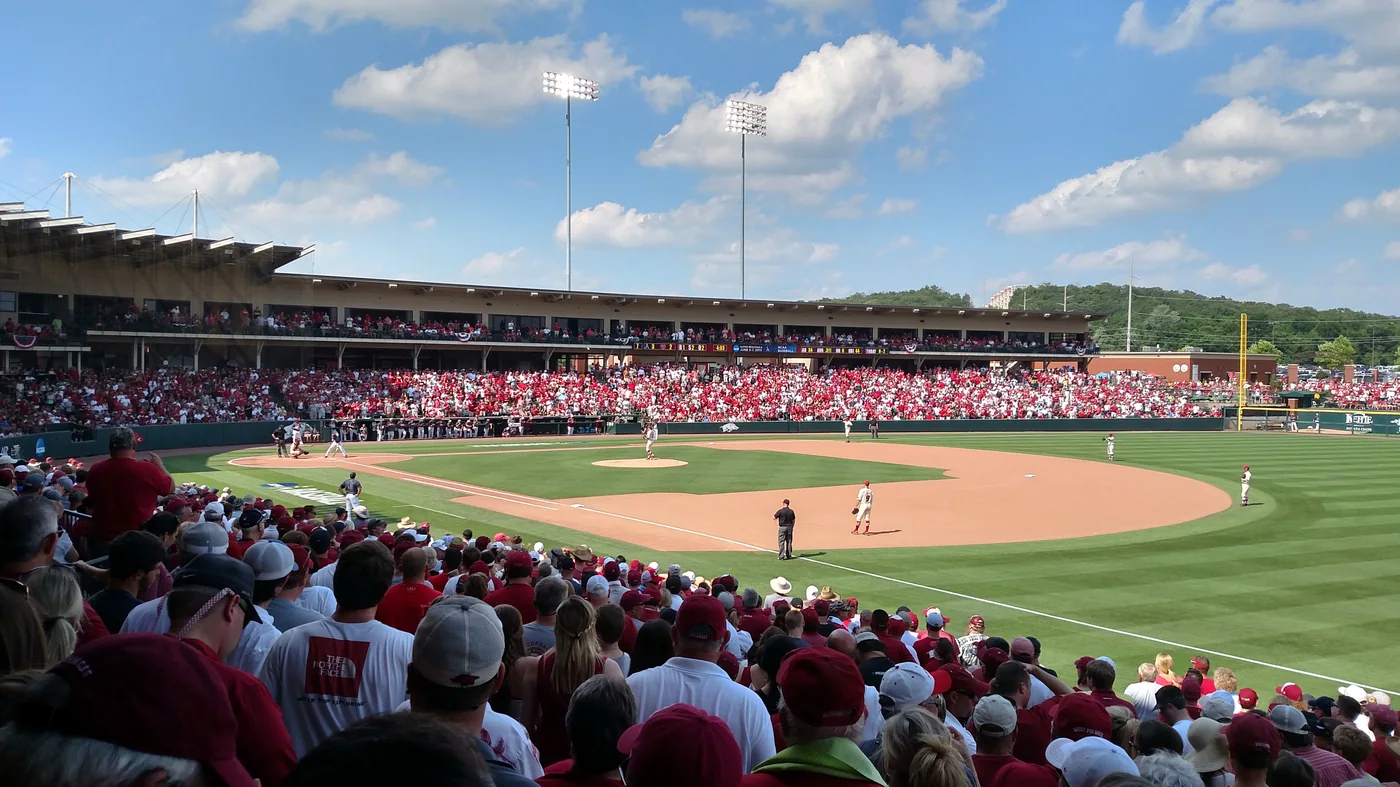
Watch college baseball for a few weeks and a pattern becomes familiar: the same two teams often meet across a three-game weekend. Friday begins the conversation, Saturday changes the situation, and Sunday can decide which side leaves with the series. For a new fan, it is worth asking why the sport so often uses that rhythm.
The short answer is that a multi-game series combines scheduling efficiency with a broader competitive test than one isolated meeting provides. It gives teams repeated opportunities to adjust and gives fans a story that develops over several days. The familiar pattern is important, but it is not a universal rule for every college game or event.
This guide explains how the series works as a viewing experience, why pitching decisions connect one game to the next, and how to plan around the weekend without assuming every school follows an identical calendar. The official schedule remains the reference for the actual dates and format of a particular matchup.
One opponent, several chances to respond
A single baseball game can turn on a small number of moments. A series creates repeated opportunities for the teams to compete against each other. It does not remove variation, but it gives the matchup more room to develop than a one-game meeting.
That repetition also invites adjustments. A hitter may change an approach after facing a particular style of pitching, and a defense may respond to patterns it noticed in the opener. Fans can watch those choices unfold instead of treating each game as an unrelated event.
The result is a different type of story from a knockout contest. Winning the first game matters, but it does not automatically settle the weekend. A losing team still has something immediate to answer, and the next day's lineup or pitching choice can become part of that response.
Travel efficiency helps explain the pattern
Bringing teams together for several games makes practical use of the journey. A visiting program can play multiple contests against one opponent without organizing a separate trip for each game. That is particularly relevant when the distance between schools is substantial.
For fans, the same efficiency can make an away weekend attractive. One journey may provide several chances to watch the team, explore a new park, and spend time with other supporters. The value depends on your circumstances, but the series creates options a single road game may not offer.
Efficiency does not mean the trip is simple. Accommodation, transport, and the actual daily starts still need research. A conference grid showing three dates cannot answer every practical question about how the weekend will work.
Pitching makes the games connected
A baseball staff has to distribute innings across the series. The pitchers used in the opener can affect the options available later, especially after a demanding game. That connection is one reason a weekend should be followed as a sequence rather than only as three final scores.
A long outing from a starter, an early exit, or extra innings can change the remaining plan. Fans may see a different decision in the third game because of what happened earlier, not because the coach suddenly abandoned a clear preference without reason.
Use current team notes for announced starters and availability. A familiar Friday assignment during one part of the season is not a guarantee for every future series. Health, workload, development, and the immediate opponent can all influence the plan.
The opener introduces the questions
The first game gives both teams their first direct look at the opponent that weekend. It establishes information about approach, defensive habits, and the way particular matchups are handled. The result is important, but so are the clues that carry into the next contest.
For a viewer, start with a few manageable observations. Is the team throwing strikes consistently? Are hitters making disciplined decisions? Does the defense communicate clearly? You do not need to evaluate every pitch to notice patterns worth following.
Avoid turning the opener into a final verdict on the entire season. A strong first night can create an advantage without guaranteeing the remaining games. A difficult first night can reveal problems without proving they cannot be addressed.
The middle game changes the weekend's shape
By the second game, both sides have information they did not have before the opener. Watch whether the lineup, pitch selection, or baserunning approach changes. Even small adjustments can make the contest feel different from the previous day.
The series situation also matters emotionally. A team seeking to secure the weekend and a team trying to force a deciding game face different immediate outcomes. That gives the middle contest an identity of its own rather than making it merely a bridge between Friday and Sunday.
Keep the baseball explanation separate from simplistic labels about character. A result can be influenced by execution, matchup quality, and ordinary variation. It is more useful to describe what improved or failed than to assign permanent traits from one afternoon.

The final game can answer different questions
Sometimes the third game decides which team wins the series. Sometimes the series is already secured and the remaining game determines whether one side completes a sweep. Those are different situations, but neither makes the game irrelevant to the teams playing it.
Pitching resources and earlier workload can be particularly useful context. A decision that looks unusual in isolation may make sense when you remember which pitchers have already thrown and how demanding the previous games were.
For fans attending only the final game, read the official recaps from the first two. A few minutes of context can help you understand the lineup, the mood in the park, and the decisions unfolding in front of you.
A series win is not a run-total contest
In ordinary discussion, winning a three-game series means winning more of its individual games than the opponent. A team can lose one game heavily and still take the weekend by winning the other two. Combining the runs from all three contests does not replace the game results.
That distinction helps when a weekend contains one unusually lopsided score. The score matters within its own game, but it does not erase the separate outcomes of the others. Read the series record and the individual box scores as related information with different purposes.
If a competition uses a special event format or published tiebreaker, consult its actual rules. Do not assume every showcase, tournament, or abbreviated weekend follows the same structure as a conventional conference series.
Not every series follows Friday through Sunday
Television, travel, venue arrangements, holidays, and weather can produce a different daily pattern. A three-game series should not automatically become three calendar entries on the days you expected. Copy the announced dates from the official source.
Doubleheaders can also change the experience. Two games on one day require a different viewing or attendance plan, and the ticket arrangement should be checked rather than guessed. A label describing the baseball format does not fully explain admission.
If a schedule changes after you save it, update your own calendar. Our calendar guide explains why a subscribed feed, an imported file, and a manual reminder do not necessarily refresh in the same way.
Midweek baseball has a different place in the rhythm
A midweek game often brings another opponent into the calendar between weekend series. It can provide useful opportunities and its own competitive interest, but it should not automatically be interpreted through exactly the same expectations as a three-game conference matchup.
Read the announced opponent, venue, and team information. The day of the week alone does not establish the pitching plan or the meaning of the result. A good account of the game should describe what happened rather than treating the date as a complete explanation.
For local fans, those dates can be appealing outings. They may fit work or family routines better than a full weekend. Following them can also provide continuity with players and developments that receive less attention in the biggest series.
Plan attendance around the whole weekend
If you want to attend several games, compare the relevant ticket products and the needs of your group. A package, individual reserved seats, and general admission may offer different value. The best choice depends on the actual terms and how many games you realistically expect to see.
Leave room for baseball's uncertain length. Travel connections, meals, and other appointments should not rely on a guaranteed final-out minute. Decide in advance whether leaving early is acceptable if another commitment cannot move.
Check the forecast and the host's latest notice before each game, not only before the first. Conditions and schedules can change during the series. A plan that was correct on Friday morning may need revision by Saturday afternoon.
Follow the series with a few useful questions
Ask what the teams learned from the opener, what they changed next, and how the available pitching shaped later choices. Those questions create a richer viewing experience than asking only whether a result matched a preseason ranking.
Use official recaps, box scores, and game notes to fill the gaps when you cannot watch every inning. Keep the current schedule linked from your calendar, and verify the exact broadcast label for each game. The same opponent does not guarantee identical viewing arrangements across the weekend.
Explore our schedule directory, team pages, and weather-change guide for the practical side of following a series. Once the structure makes sense, the weekend becomes more than a sequence of games: it becomes a developing baseball story you can follow from the first pitch to the final result.