Team guides
Nebraska Baseball 2027: Key Opponents and Road Trips Explained
By Baseball Schedule Editorial Team · Published · Updated
Nebraska's 2027 baseball calendar offers several different ways to follow the Huskers: an opening trip with multiple opponents, home games in Lincoln, and the conference schedule that gradually gives the season its shape. The most useful preview explains how those pieces fit together instead of simply repeating every date.
The school announced its schedule on September 25, identifying an opening February 19–21 trip to Surprise, Arizona, for games against UC Santa Barbara, Oregon State, and Vanderbilt. That is a concrete starting point for fans who want to plan early, while the remaining practical details still need their own checks.
This guide focuses on choosing games, understanding opponent context, and building realistic road plans. For the full available listing, use our Nebraska schedule page and its official source. Treat a confirmed opponent, a confirmed date, and an announced first pitch as separate pieces of information.
Start by dividing the calendar into useful parts
An early neutral-site event, a home series, a midweek matchup, and a conference road weekend do not offer the same experience. Grouping them helps you decide what you want from the season before comparing individual dates.
A fan living near Lincoln may care most about the first comfortable opportunity to attend at home. Someone living elsewhere may find an away game easier to reach than Nebraska itself. A broad college baseball fan may be most interested in the variety of the opening event.
There is no need to choose the same priorities as every preview article. A schedule becomes useful when it fits your circumstances. Begin with the games you can realistically follow, then add the matchups that raise interesting baseball questions.
Surprise gives the opening weekend variety
The announced games against UC Santa Barbara, Oregon State, and Vanderbilt place Nebraska in a setting where the opponent can change from day to day. That differs from a conventional series against one school and gives fans several points of comparison within a short trip.
Watch how the Huskers approach unfamiliar pitching and adjust their own use of players across consecutive games. Early-season roles may still be developing, so the weekend is an opportunity to learn rather than a reason to issue a permanent verdict after one result.
For attending fans, read the organizer's complete daily schedule and ticket terms. The Nebraska announcement confirms the team's plans, but it may not explain every session, re-entry rule, or venue procedure relevant to a visitor spending the whole day at the park.
Opponent history is context, not a forecast
A familiar program name can make a matchup appealing, but it does not tell you exactly what its 2027 roster will look like. College baseball teams change, and the players who shaped a previous season may no longer occupy the same roles.
Use current official rosters and previews when discussing personnel. If a player or starter has not been confirmed, leave that uncertainty visible. A schedule article should not turn a memorable name from last year into a guaranteed feature of the next meeting.
The same care applies to rankings and postseason references. Those can explain why an opponent attracts attention, but they should be attached to the correct season and source. They do not establish the result of a future game.
Home baseball in Lincoln rewards repeated visits
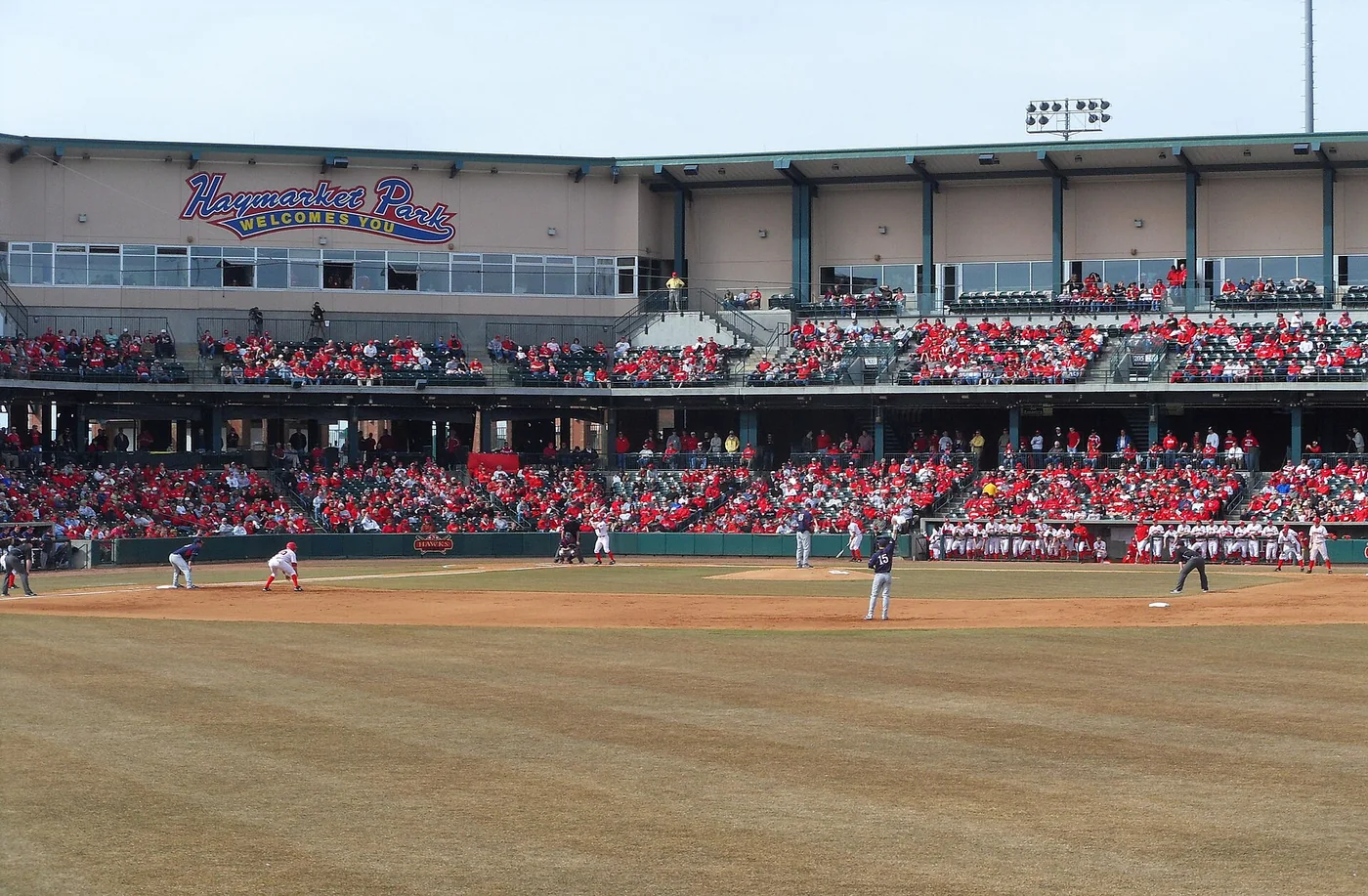
Watching at Hawks Field at Haymarket Park offers continuity that a one-off road trip cannot. You can recognize how the team uses the same surroundings, follow changes in the lineup, and notice development in players whose contributions may not lead the national conversation.
If you are new to attending, choose a date that lets you arrive without rushing. Learn the current parking and entry arrangements, locate the relevant facilities, and give yourself time to settle into the park. The first visit is more enjoyable when the logistics do not consume the opening innings.
For regular attendees, consider mixing a headline weekend with a less prominent date. A season contains many kinds of games, and a quieter outing can still be rewarding. The best choice is not always the one producing the most preseason discussion.
Conference weekends ask repeated questions
A three-game conference series lets you follow a conversation between the teams. The first game creates problems to solve; the remaining games show whether adjustments work. That is why watching the whole weekend can reveal more than collecting isolated final scores.
Notice the approach at the plate, defensive communication, and how pitching workload carries across games. A team may look different in the third contest partly because of what happened in the first two. The sequence matters.
Keep the actual announced schedule close at hand. Do not assume that every conference series follows the same daily pattern or begins at a familiar hour. Published dates and later television or weather changes should control the calendar you use.
A road trip begins with the host
Nebraska's page tells you where the Huskers are scheduled to play. The host's page explains how to attend. Use both rather than expecting one to answer every question about parking, tickets, seating, and permitted items.
Check the venue name carefully, especially for special events. A game involving a school does not necessarily take place at its usual campus ballpark. The location in the official event row is more useful than an assumption based on the opponent's name.
If the trip requires a flight, leave room around the game. Baseball does not promise a fixed finishing time, and weather can alter a weekend. Decide how much uncertainty your budget and schedule can tolerate before making nonrefundable arrangements.
February planning and spring planning are different
The conditions at an early neutral-site event can differ considerably from an evening in Lincoln later in the season. Check the forecast for the actual venue and hours of attendance. A city's general climate is not enough to determine what a particular game will feel like.
Think about layers, wind, shade, and the length of the outing. Sitting for several hours is different from walking between buildings at the same temperature. For families, comfort often determines whether the day is remembered for the baseball or for the attempt to stay warm.
Keep the host's official update channel available when the forecast is uncertain. A copied schedule or calendar reminder can remain unchanged after a game moves. The last check before departure is part of the plan, not a sign that the earlier research was wasted.
Build a viewing plan around confirmed labels
Read the exact broadcast name attached to each game. A home series, a conference road game, and a neutral-site opener can involve different arrangements. Do not assign one service to the whole calendar merely because it carried several games in a previous year.
For conference programming, distinguish a linear channel from related digital coverage. Check the current access requirement and the account you will use. A product's familiar branding does not establish that every event is included in your specific package.
Our without-cable guide explains a practical game-by-game approach. If a listing has not been announced, keep it open rather than buying access based on a guess. Official live statistics can provide a dependable fallback when video is unavailable.
Watch the team's habits, not only the biggest moments
A powerful hit or a strikeout can dominate a recap, but the quieter decisions often explain a weekend. Watch how runners respond to a ball in the dirt, how fielders communicate on a shallow fly, and how hitters handle an at-bat after falling behind.
Those habits are useful to follow across different opponents. They can show improvement or recurring problems without requiring you to judge every player from one memorable play. The season becomes more interesting when you notice patterns rather than only highlights.
Give new combinations time. A single lineup change does not necessarily define a permanent role, and a difficult inning does not settle a pitcher's season. Current team information and several weeks of play provide a stronger basis for discussion.
Choose a few weekends with clear purposes
You might select the opening event to meet the new team, a home series to enjoy Lincoln, a road weekend close to where you live, and a late-season matchup to follow the conference story. That is a manageable plan with room for the season to surprise you.
Write the purpose beside each date. If your circumstances change, the note helps you decide which outing to keep and which to replace. It is easier to adjust a plan built around real priorities than one based only on how impressive a matchup sounded months earlier.
Use the official Nebraska schedule announcement, the current Huskers calendar, and our Big Ten guide. Keep the source link with your saved dates so the practical plan can stay as current as the information available.
Which game is best for a first visit with children?
Choose the outing your family can enjoy comfortably rather than assuming the biggest opponent is automatically the best introduction. Consider the announced start, forecast, seating, facilities, and how much flexibility you have to leave. Explain a few simple things before arriving: which team is Nebraska, how innings work, and where you will meet if the group separates. Check current admission and bag policies through the host. A relaxed first experience can build more interest in baseball than an ambitious trip that leaves everyone tired.