Conference guides
Big Ten Baseball in 2027: Games, Travel, and Viewing Guide
By Baseball Schedule Editorial Team · Published · Updated
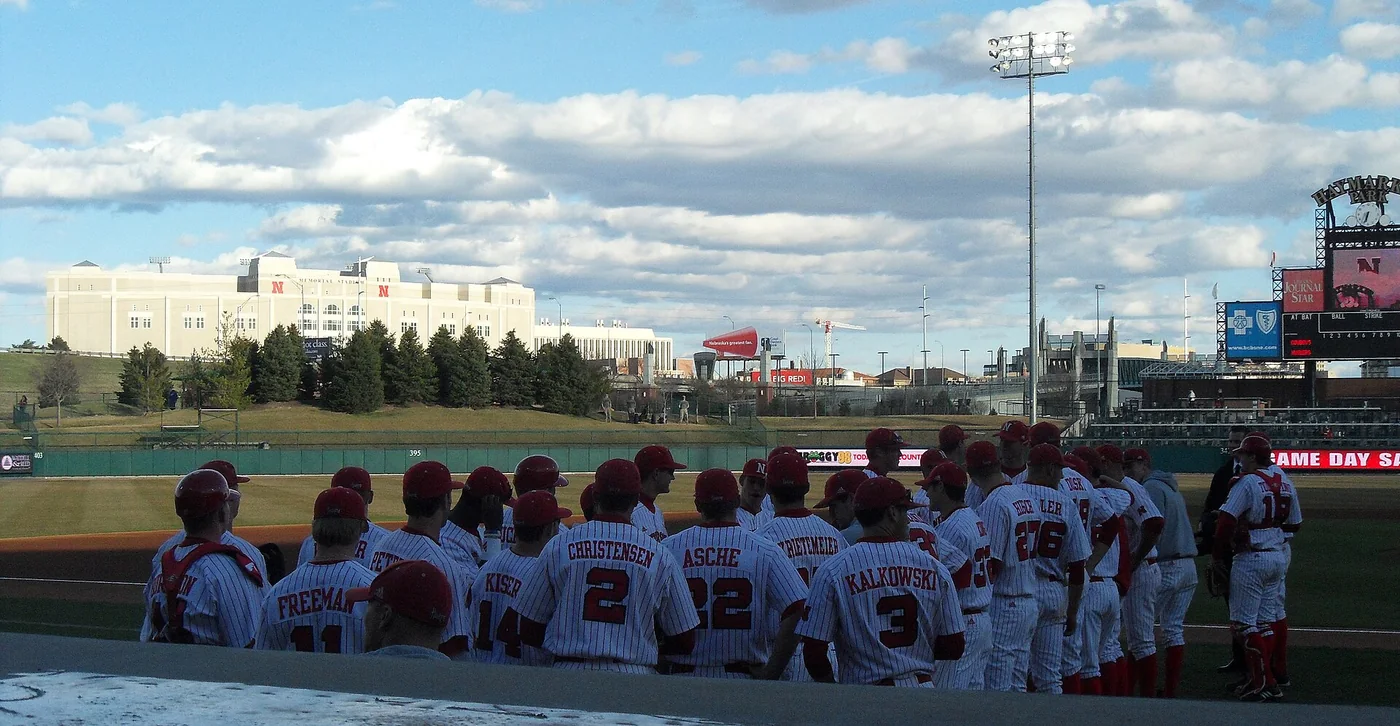
Following Big Ten baseball in 2027 means thinking about geography as well as opponents. A conference calendar can connect very different home environments, travel distances, and viewing hours. That makes the season interesting, but it also means a useful fan guide should do more than copy a list of school names.
The best starting point is your own team's official schedule. Establish which games are conference contests, which belong to a neutral-site event, and which are separate nonconference meetings. A familiar conference opponent appearing on a calendar does not by itself explain how that game is classified.
This guide shows how to build a sensible Big Ten viewing and travel plan, using Nebraska's published season structure as one reference. It avoids inventing a league-wide television calendar or treating an incomplete set of school announcements as a finished conference schedule.
Read the season as several different journeys
A team can begin the spring away from campus, return for home dates, and later make conference trips with very different demands. Those stretches shape what fans can attend and how they can watch. Reading the calendar in blocks often makes more sense than studying each date in isolation.
For a supporter living near the school, the first home opportunity may matter more than the first regular-season game. For an alumnus living elsewhere, an away series nearby may be the most practical chance to attend all year. Your location changes which part of the schedule deserves attention.
Make a short list of those opportunities before comparing every matchup. That turns a large calendar into a set of realistic choices. You can still follow the whole season while recognizing that only a few weekends will fit your time, budget, and travel circumstances.
Do not confuse early events with league play
Nebraska's announced opening trip to Surprise includes UC Santa Barbara, Oregon State, and Vanderbilt on February 19–21. That is a neutral-site opening event, not a shorthand description of the Huskers' Big Ten conference schedule.
This distinction matters when comparing records or planning a viewing subscription. An event organizer may have its own arrangements, and a nonconference opponent can offer a different kind of test from a familiar league series. The event's purpose and operating rules should be read on their own terms.
Use our Nebraska opponent guide for the wider calendar and the school's announcement for the actual confirmed dates. Keeping the categories clear helps you understand how the early season connects to the conference schedule rather than blending everything together.
Home baseball has its own value
A home series offers continuity. You can watch the same park, recognize defensive positions, and see how a team changes over several appearances. For fans learning new players, that repeated setting can make the season easier to follow than a collection of disconnected highlights.
Think about what type of visit suits you. A single afternoon can be enough for a first-time fan. A whole weekend may appeal to someone who wants to observe the series adjustments or spend time with friends. The most memorable choice is not always the most expensive or heavily promoted game.
Check the park's current operating guidance before your first visit of the year. Ticket delivery, parking, entry routes, and permitted items can change. Familiarity with last season's routine is useful, but it should not prevent you from reading a new notice.
Long-distance conference travel changes the plan
A short drive and a cross-country trip should not be planned with the same margins. When a series requires flights, consider the journey to the airport, the arrival transfer, accommodation, and the route to the ballpark. The game is only one part of the schedule.
Avoid arriving so late that a routine travel delay means missing the opener. Similarly, decide how much of the final game you are willing to miss if the return flight is fixed. Baseball's uncertain finishing time should be part of the decision before you buy the ticket.
For groups traveling from different places, share one clear itinerary with venue-local times. Mixing home-zone and destination-zone times in the same message can cause confusion even when everybody believes the plan is obvious. Label the zone rather than relying on context.
Time zones affect the home viewer too
A start that is comfortable near the venue may be awkward for a fan several zones away. When you build a watchlist, convert the published start into your own calendar and keep the original zone in the notes. That makes later changes easier to verify.
If live viewing is difficult, investigate the service's replay arrangements before subscribing. A game being available live does not necessarily establish how quickly a replay appears or how long it remains accessible. Those details can make a large difference to someone working evening shifts.
Also check notification settings if you want to avoid spoilers. Official score alerts, social media, and an app's event card may reveal the result before you begin the replay. Decide whether that matters to you and configure the devices accordingly.
Understand the difference between channel and digital service
A conference network's linear channel and its associated digital offerings should not be assumed to share one access path. Use the exact broadcast label on the official event listing, then consult the current provider or service documentation.
For a Big Ten fan, this means not treating BTN and B1G+ as interchangeable names. The practical question is which product carries the specific game and whether your account includes it. A familiar logo on an advertising page is not enough to settle that question.
Road games and neutral-site events deserve an additional check because their viewing arrangements may differ from the team's regular home coverage. Our without-cable guide explains how to organize a game-by-game access list without purchasing every possible service in advance.
Watch development across a series
A three-game weekend gives you a chance to observe adjustments rather than only outcomes. After the opener, watch how hitters respond to the opponent's approach, whether the defense handles repeated situations differently, and how the bullpen is managed.
Early in the year, coaches may still be learning which combinations work best. Do not turn one lineup change into a permanent declaration about a player's role. Read current team notes and give the pattern time to develop.
For a fan following several programs, choose one series to watch closely rather than trying to absorb every inning across the league. A little depth can make later conference comparisons more meaningful because you have seen how a team plays, not just where it sits in a table.
Compare standings with the schedule behind them
Conference records become more useful when you know which opponents and venues produced them. Early schedules can differ in their balance of home and road games, and teams may have completed different types of tests when a ranking or table is published.
Use that context to ask better questions, not to dismiss results. A team struggling on a difficult road stretch still needs to improve; a team winning at home still deserves credit. The point is to avoid pretending every record comes from an identical path.
When qualification or tiebreaker questions arise, consult current conference information. A familiar rule from another sport is not a safe substitute. The closer the season gets to a specific postseason decision, the more carefully the relevant procedure should be checked.
Make cold-weather comfort part of the outing
Check the forecast for the actual hours of the game. Sitting through innings can feel very different from walking across campus at the same temperature. Wind, shade, and a changing evening forecast can matter more than a single daytime high.
Plan layers and permitted items around the venue's current rules. Families should think about breaks, food, and the ability to keep everyone comfortable. A successful outing does not require proving that every person can remain in the same seat for every minute.
Weather preparation also means following official schedule updates. Keep the host's latest notice available before departure. A calendar entry copied weeks earlier can remain unchanged after a first pitch moves or a doubleheader is announced.
Build a watchlist with several purposes
Choose one early-season event, one home series, one road weekend, and one late-season series. Give each a reason: learning the new roster, visiting a park, seeing a rivalry, or following a developing conference story. That creates a balanced plan without requiring a prediction about the final standings.
Revisit your choices as the season unfolds. Emerging players and unexpected results can make a previously ordinary weekend compelling. Planning should help you notice those changes rather than lock you into an opinion formed before the first pitch.
Start with Nebraska's official release, the official references linked from our team directory, and current Big Ten baseball information. Use the schedule planner to compare published dates, then confirm travel and viewing details with the relevant host.
How should an overseas fan choose which games to follow?
Begin with the matchups that fit your waking hours, then investigate replay access for the others. A sustainable routine is better than repeatedly staying awake for games you cannot comfortably watch. Save the venue-local date and your converted time together, because a late American start may fall on the following day where you live. If you follow several teams, use separate calendar colors and avoid assigning an unannounced start to a convenient hour simply to fill the gap.