Conference guides
ACC Baseball in 2027: Key Series and Road Trips
By Baseball Schedule Editorial Team · Published · Updated
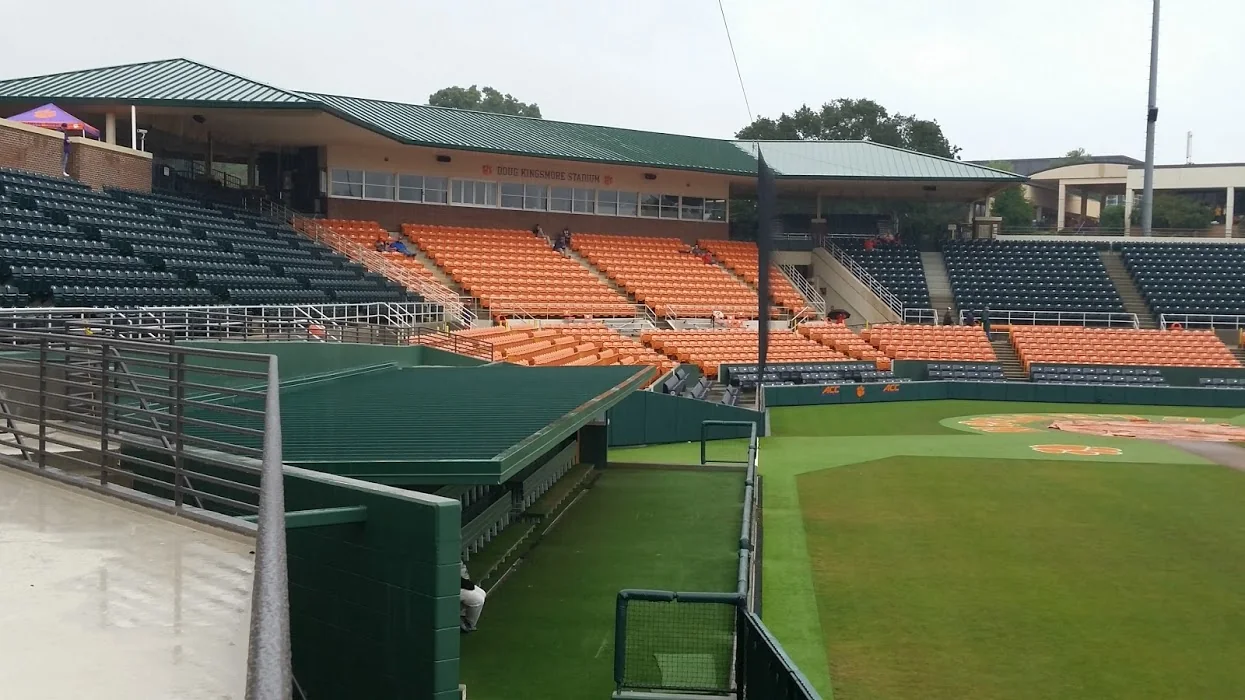
An ACC baseball season is easier to enjoy when you think about the journeys between series as well as the games themselves. The conference brings together programs with different home environments, travel demands, and baseball traditions. A useful 2027 plan should reflect those differences instead of reducing every weekend to a row of familiar school names.
This guide focuses on choosing meaningful series, reading announcements carefully, and building a road trip that remains practical when details change. It does not invent a complete league schedule or promise that a particular game will determine the championship. Use each school's official release for confirmed opponents and daily assignments.
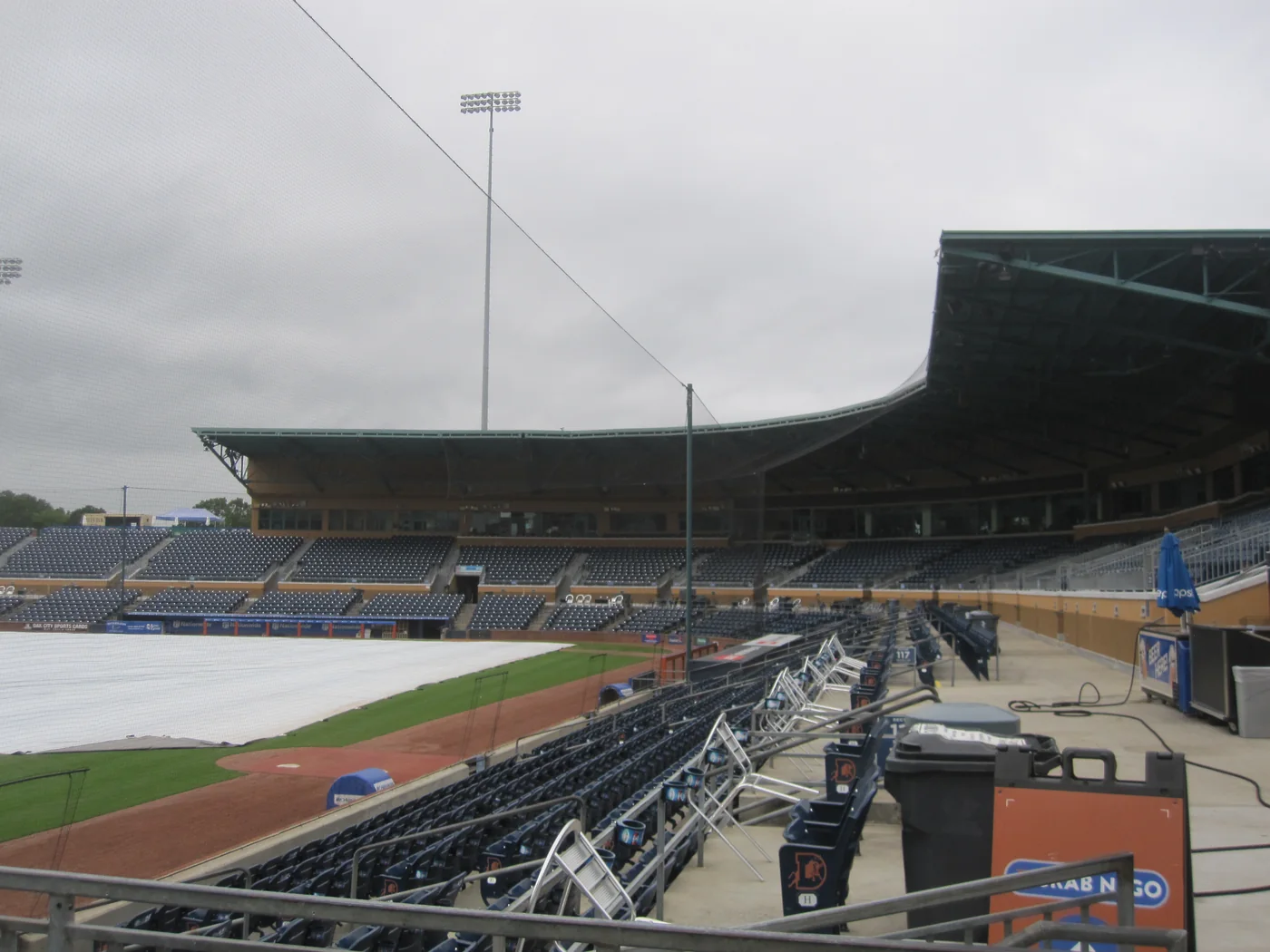
The postseason destination is a separate planning anchor: the ACC has announced its 2027 baseball championship for May 25–30 at Durham Bulls Athletic Park. That gives fans a conference event to keep in view while following the regular season, but it does not settle which teams or individual matchups they will see there.
Start with a team's full calendar
A conference schedule explains one important part of a season. A school's full calendar adds the nonconference opponents, midweek games, and neutral-site events surrounding it. Those details can make one month feel very different from another even when the number of league series is similar.
Read the school's release rather than relying only on a graphic. A written announcement can explain the season's shape, identify venues, and clarify which details remain unannounced. That context matters when you are deciding whether a particular weekend fits your interests.
Confirm the season selector before saving anything. An older schedule can contain the same rivals and similar spring dates, making it easy to overlook the year. A correctly named opponent is not enough to establish that you are reading the current calendar.
Choose the kind of series you want to follow
A rivalry series offers familiarity and emotion. A meeting between teams you rarely watch can offer discovery. A home weekend at a park you have never visited can be appealing even without a preseason ranking attached to it. Decide which experience matters before comparing every possible trip.
If you follow one ACC program closely, select a few series that reveal different challenges. Include a home weekend, an away series, and a stretch later in the schedule. That gives you more perspective than judging the team only in its most comfortable setting.
For a neutral fan, vary the parks and opponents you watch. The goal is not to collect the largest number of recognizable logos. It is to find baseball that holds your attention and a practical plan that lets you enjoy it without rushing.
Separate a rivalry from a confirmed fixture
Two programs having a well-known rivalry does not guarantee that a particular 2027 meeting occurs on the weekend you expect. Conference rotations, nonconference arrangements, and individual school announcements must establish the actual date and venue.
When recommending a series, link the confirmed schedule row. If you are discussing a matchup you would like to see but it has not been announced, call it a possibility rather than presenting it as a fixture. That distinction keeps an editorial preview useful instead of misleading.
The same caution applies to pitchers and lineups. A recognizable returning player may make a series interesting, but the roster and game notes should confirm the current situation. College baseball personnel change too quickly for last season's lineup to serve as an automatic preview.
Road trips need a venue-first approach
The visiting school's schedule tells you where the team is going. The host's information tells you how to attend. Use both. Parking, entry gates, permitted bags, accessible seating, and local ticket delivery are questions the host is best placed to answer.
Look at the actual journey from your accommodation to the ballpark. A hotel may be close to the university without being conveniently located for the baseball venue. Check the route at the times you expect to travel, including the return after an evening game.
If the trip includes a flight, leave room around the game. Baseball has no guaranteed finishing minute, and a weather adjustment can change the day significantly. A cheaper itinerary can become a poor value if it forces you to miss the game you traveled to see.
East-to-west planning deserves extra care
When a conference trip crosses several time zones, the schedule needs more than a date and an unlabeled number. Use the venue's published zone as the anchor, then convert the start into your own calendar. Do not assume every school displays time the same way.
For viewers, this can change which games are convenient to watch live. A late local start may be impractical for a family in another region. Check replay availability if that matters to you, rather than buying access solely because the game is theoretically available live.
For travelers, think about arrival, sleep, and the first full day as well as the first pitch. A plan that looks efficient on paper may feel very different after a long journey. Choose a schedule you can enjoy physically, not just one you can fit into a booking form.
What to watch across a three-game series
The opener establishes questions; the following games show responses. Notice whether the offense changes its approach against a similar pitching style, how the defense handles repeated situations, and whether the coaching staff adjusts the order or use of players.
Watch the quieter details. A good relay, a disciplined baserunning decision, or a productive plate appearance can influence the weekend without becoming the most shared clip. Those moments help explain why one team sustains pressure while another struggles to create opportunities.
Avoid making a single result carry more meaning than it can support. A close road loss and a comfortable home win are both part of a season. The series context and the quality of play give a more useful picture than the emotional reaction immediately after the final out.
Keep broadcast labels attached to individual games
ACC affiliation alone does not tell you where every game is shown. The exact listing can differ between a linear network, a digital offering, and a nonconference or event-specific arrangement. Check each matchup rather than assigning one service to an entire team's calendar.
Our streaming-label guide explains why ACC Network and ACC Network Extra should not be casually shortened into the same access assumption. The current broadcaster and provider documentation should settle what your account actually includes.
When a start time changes, update the viewing plan as well as the calendar. A previously saved event card or search result may not be the fastest place to reflect the revision. The host's current schedule and latest notice should guide the final check.
Make Durham a separate decision
The announced May 25–30 championship window at Durham Bulls Athletic Park gives fans a postseason destination to consider. It is not simply another campus series, and its ticket structure, game assignments, and operational details should be researched through the conference and event organizers.
If you want to attend regardless of which teams advance, you can plan differently from a fan whose trip depends on one school's participation. Be honest about that distinction before choosing nonrefundable arrangements. The uncertainty is part of tournament baseball.
Read the current championship format and schedule when they are published. Do not assume the game order or ticket terms from a previous season will be repeated. The location and overall dates are useful anchors, but the daily experience depends on the event's current details.
Use standings without losing context
A conference table becomes more informative when you know the schedule behind it. Teams may be at different points in their balance of home and road series or may have faced different early opponents. Compare what has actually been played before drawing broad conclusions.
That does not mean dismissing wins or explaining away losses. It means understanding the path producing the record. A series preview becomes more useful when it describes the upcoming challenge than when it treats every numerical difference as proof of a permanent gap in quality.
For qualification and tiebreaker questions, use official ACC procedures. Rules from basketball, football, or an older baseball season should not be imported casually. When the stakes become specific, the source should become specific too.
A practical way to build your ACC watchlist
Pick four weekends with different purposes: one familiar rivalry if confirmed, one road test, one new venue, and one late-season series. Add the source link, announced time status, and reason you want to follow each. That gives the season a shape without pretending you can predict its outcome.
Revisit the list as teams develop. A series that looked ordinary in the fall may become fascinating by April, while another may no longer fit your schedule. Flexibility allows you to follow the actual season rather than only the version imagined months earlier.
Use the ACC championship announcement for the postseason anchor, and follow official school references through our team directory. The schedule planner can help compare published dates, while each host supplies the final details for attending.
Can I combine baseball with a campus visit?
Yes, but check the university calendar as well as the baseball schedule. Campus events can affect accommodation, traffic, and access even when the baseball fixture itself remains unchanged. Leave enough time to enjoy the visit without assuming that every part of the university is open to visitors on the same terms as the ballpark.