Conference guides
Big 12 Baseball in 2027: Matchups and Weekend Series to Follow
By Baseball Schedule Editorial Team · Published · Updated
A good Big 12 baseball watchlist should include more than the teams you already recognize. The league's variety of destinations and styles makes it worth exploring unfamiliar opponents, new road settings, and series that develop significance as the spring unfolds. For 2027, the announced conference calendar provides a starting framework for that exploration.
The Big 12 released its league schedule in August 2026. Individual schools then place those conference weekends within fuller calendars containing nonconference games and other events. Read both levels before deciding that you understand the entire shape of a team's season.
This guide explains how to choose series, compare trips, and follow the league without inventing unannounced details. It uses published school examples where useful, while leaving start times, television assignments, and unresolved operational questions to the current official listings.
Look at the league and school announcements together
A conference release shows the shared structure. A school release explains what that structure means locally: which series are at home, where road trips fall, and which nonconference games surround the league dates. The combination is more useful than either a short opponent graphic or an isolated schedule row.
Check the year every time you move between athletics pages. Similar opponents and familiar spring weekends can make an old calendar look current. Confirm the season, venue, and announcement date before adding a series to a personal itinerary.
Keep incomplete information clearly labeled. A confirmed date window can support preliminary planning even if the first pitch remains unannounced. The mistake is not using preliminary information; it is presenting a preliminary detail as more complete than it actually is.
Choose series for different reasons
A rivalry can be worth following because of its atmosphere. A trip to an unfamiliar park can be worth making because of the setting. A meeting between teams you have watched develop can be interesting because you understand the questions each brings into the weekend.
Try not to let a preseason ranking make every decision. Rankings provide one kind of context, but they do not explain your travel costs, available time, or preferences as a spectator. A series that fits your circumstances can deliver a better experience than a more fashionable one you attend in a rush.
For viewers, variety is valuable. Follow a home series, a road test, and a meeting between programs outside your usual routine. That gives you a fuller picture of the conference than watching the same team only when a national conversation points toward it.
A home stretch can create an appealing visit
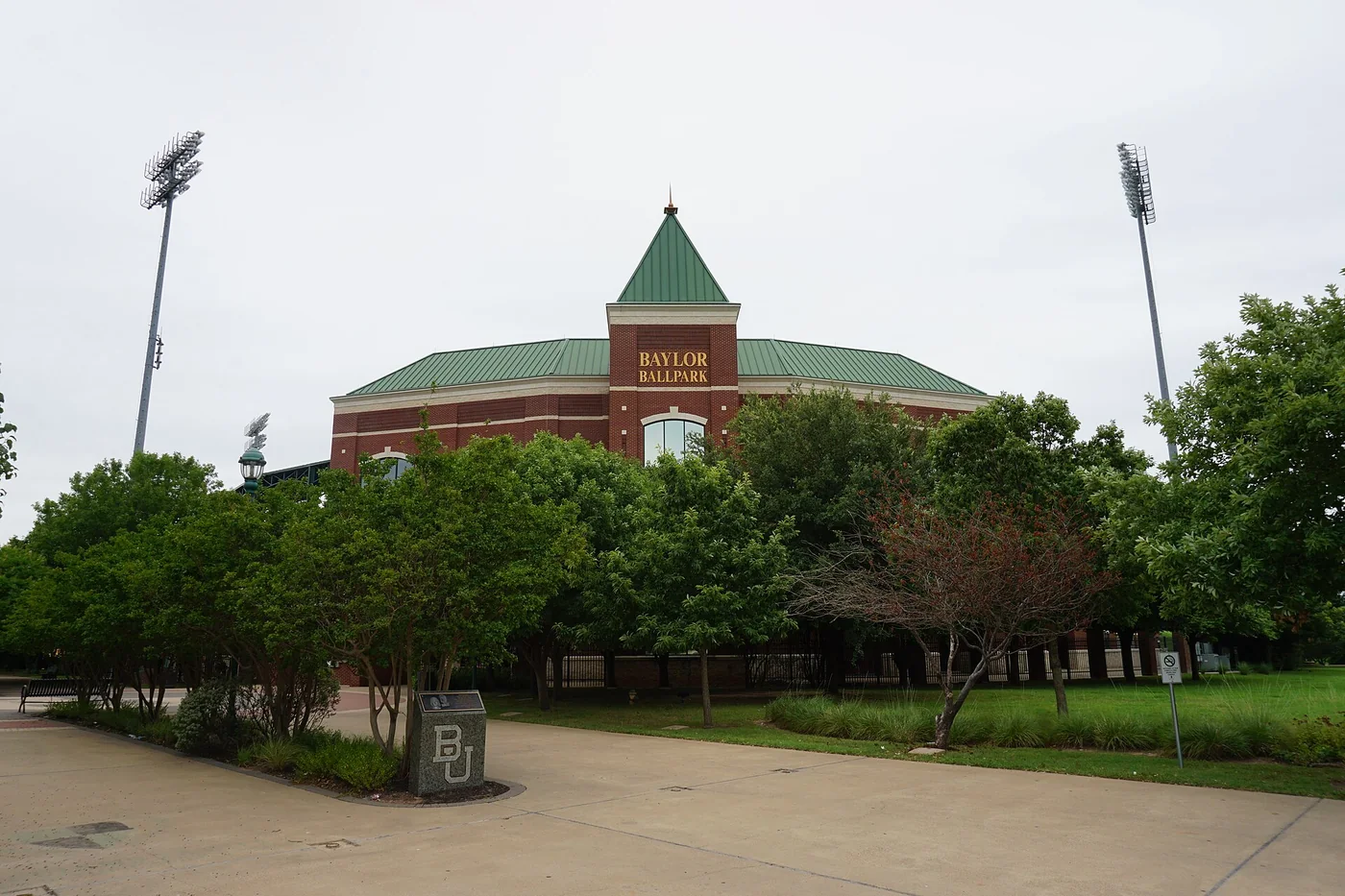
Baylor's published 2027 announcement provides one example of how the calendar around a series can matter. It identifies UTSA visiting on April 6 and a home series with Kansas on April 9–11, creating a stretch with more than one type of opponent to follow.
That kind of arrangement can interest a local fan who wants several outings or a visitor able to spend more time in the area. The appeal comes from the sequence rather than a claim that every game will have identical stakes or use the same pitching plan.
Before turning a home stretch into a booking, confirm each event separately. A midweek game and a conference weekend can have different start times, ticket products, and viewing arrangements. The shared venue does not erase those practical differences.
Repeated meetings reveal more than one result
A conference series gives the teams another chance to respond after the first game. Watch whether hitters adjust to a particular pitch mix, whether the defense changes its positioning, and how the staff distributes innings after a demanding opener.
For a fan learning the sport, this repetition is helpful. You begin to recognize why a coach chooses a certain matchup or why a runner becomes more cautious after an earlier play. The weekend develops a story that a single highlight clip cannot fully capture.
Do not assume every change is a permanent statement. Coaches may be responding to health, workload, or the immediate opponent. Current team notes and the pattern over several weekends provide better context than an instant conclusion from one altered lineup.
Road destinations are part of the comparison
A conference road trip can introduce unfamiliar weather, travel distances, and ballpark routines. For fans, the host's information becomes essential. The visiting team's page confirms where the series is played, while the host explains admission, parking, and local policies.
Map the full route from your accommodation to the venue. Consider traffic, the walk after parking, and the return following an evening game. A hotel close to campus is not necessarily conveniently placed for baseball, especially when the stadium sits in a different part of the area.
If flights are involved, avoid relying on a guaranteed finishing time. Decide in advance whether you are comfortable leaving a game early to meet a fixed connection. That is a reasonable budget choice when made consciously, but a frustrating surprise when overlooked.
Time-zone clarity prevents small mistakes
Keep the venue's published time zone beside every start time. Your calendar can then convert it for wherever you are watching or traveling. An unlabeled number copied into a group message can create confusion even when everyone thinks the plan is straightforward.
Check whether the source page automatically converts times based on the viewer's location. Some sites explain this near the schedule; others display the school's local zone. Understand the behavior before assuming two apparently different start times are contradictory.
For fans outside the United States, the calendar date can change as well as the hour. A late game at the venue may begin the next day where you live. Saving the official event link makes it easier to verify that conversion again before first pitch.
Build the viewing plan around actual listings
Conference affiliation does not guarantee a single viewing product for every game. Use the complete service label on each official listing, especially for nonconference road games and neutral-site events. A subscription that covers one series may not settle every exception.
Check access before the game rather than buying a service simply because it advertises college baseball. Find the actual matchup and read the requirement attached to it. Current provider terms are more reliable than an old comparison article or a remembered arrangement from another season.
If a broadcast has not been announced, keep that field open. A useful plan can contain uncertainty. Our watching guide explains how to track those gaps without converting guesses into purchases.
Follow the standings with schedule context
Early conference records can create strong impressions quickly. Before comparing two teams, look at which opponents they have faced and where the games occurred. A table is useful, but it cannot display every difference in the path behind the numbers.
That context should sharpen the discussion rather than excuse everything. Winning a difficult road series and winning comfortably at home are both achievements, but they answer different questions. A preview becomes more interesting when it explains the next challenge instead of simply repeating the current record.
When the conversation turns to postseason qualification or tiebreakers, consult the league's current rules. Do not assume a procedure from another sport or a previous season still applies. Specific stakes deserve a specific official reference.
Keep the conference tournament separate
The conference tournament is its own event, with its own schedule, ticket arrangements, and qualification context. A team appearing in the regular-season calendar does not establish its later tournament assignment. Wait for the official bracket before treating a matchup as confirmed.
If you are considering a postseason trip, decide whether you want the event regardless of the participants or only if your team is involved. Those are different travel plans, and cancellation terms matter more when participation is a condition of your interest.
Read the current organizer information when it is released. A venue or date discussed in a school announcement is useful background, but the final event page should supply the practical details about sessions, admission, and the daily program.
Make your watchlist a living document
Choose several series with different purposes and write the reason beside each. You might want to see a new ballpark, follow a developing pitching staff, or compare teams you rarely watch. The reason helps you decide which games still matter when your own schedule changes.
Review the list during the season. Unexpected performances can make another weekend more compelling, and a practical travel opportunity may appear after the initial plan. Flexibility is part of following a sport whose stories emerge through the games rather than before them.
Begin with the Big 12's official schedule announcement and Baylor's school release. Our team directory and schedule planner help organize the available published entries; the current school and host pages provide the final confirmation.
How can a newcomer learn the conference without watching everything?
Choose two programs to follow closely and sample another series each month. Learn a few names, read the official recaps when you miss a game, and notice how opponents create different challenges. This gives the season continuity without turning the hobby into an obligation. A newcomer does not need to memorize every roster or reproduce a national ranking. Understanding why a lineup changes, how a series develops, and where the next confirmed game takes place is already a useful foundation. Let curiosity expand the watchlist gradually.